Landlords and property managers
Biohazard cleanup in rental property: a guide for Oregon landlords
A tenant has died in a unit, or there has been a violent incident, and the keys are back in your hand. You have a contaminated apartment, neighbors on the other side of the wall, and a family you want to treat decently. This is the order to take things in.
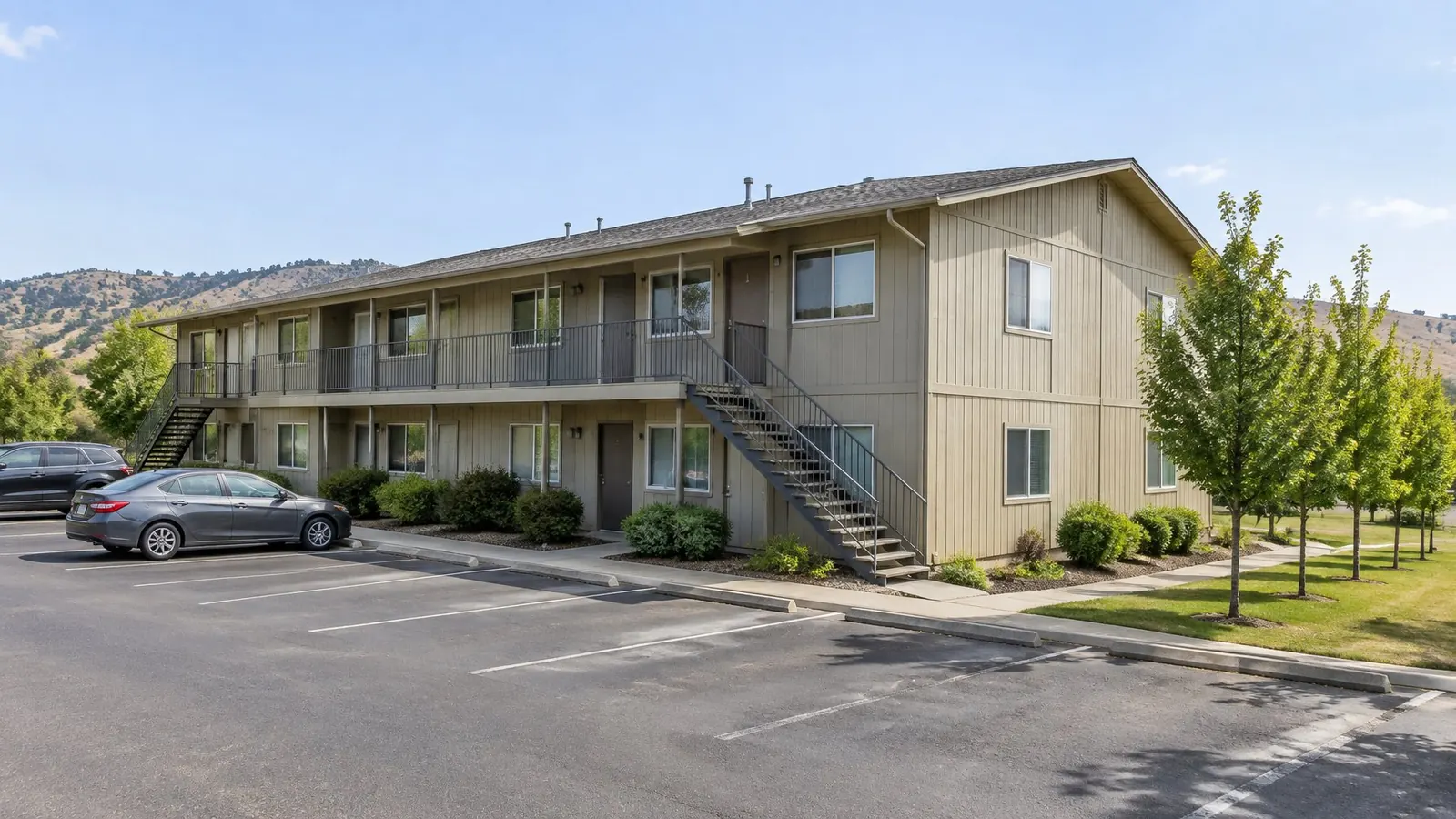
Before anyone goes in
Confirm the unit has been released
Where a death is under investigation, a medical examiner or the district attorney can hold the premises to preserve evidence (ORS 146.103). Get the release from the officer in charge, with the case number.
Lock it and note who has keys
Change nothing inside. If relatives ask to enter, that is a question about the tenant's property, covered further down.
Call your insurer
Report it under the building's policy and ask what the adjuster wants to see before work starts.
Then bring in a cleanup company
Give it the unit's size, the floor it is on, the flooring, and how long ago the incident was.
Why your maintenance staff should not do it
Blood and body fluids are a workplace hazard under the federal bloodborne pathogens standard, 29 CFR 1910.1030. An employer whose workers may be exposed is expected to have a written exposure control plan, supply protective clothing and equipment, train those employees, and offer hepatitis B vaccination.
Few property companies have that in place for a handyman or a cleaner. Sending them in anyway puts them at risk and puts you on the wrong side of the rule. A biohazard company's workers come with the training and the gear.
A tenant's belongings after a death
You may not simply clear the unit. Oregon's landlord-tenant law has a procedure for property left behind, with a part written for the death of a sole tenant (ORS 90.425).
In outline, the landlord sends written notice to the tenant at the unit, to any heir, personal representative or contact person the landlord actually knows of, and to an estate administrator at the State Treasurer. The notice sets a date to respond that is at least five days after personal delivery or eight days after mailing.
For a manufactured home or floating home the wait is far longer, at least 45 days, and a representative can ask for a storage agreement.
Read the section itself or ask your attorney before acting. A cleanup company can work around belongings, bag what is contaminated, and list what it discards, which is the record you will want.
Have this ready when you call
- The address, the unit number and the floor
- Whether police have released it, and the case number
- Roughly when the incident happened and when it was found
- Floor coverings in the affected rooms
- Whether odor has reached hallways or neighboring units
- Who will meet the workers and sign the written scope
After the cleanup: repairs
Cleanup companies remove and disinfect. Putting back flooring, drywall or cabinets is construction work, and in Oregon you can look up a contractor's license with the Construction Contractors Board before you hire one.
Ask the cleanup company for measurements and photographs of what it took out. They save the contractor a visit and help with the insurance file.
Owners and managers
Reach a cleanup company for your unit
Say that you are the owner or manager, give the address and tell them what the officers told you. The company will say what it needs from you.
Pick up the phone when it suits you
You will be speaking with a Rogue Valley cleanup business that has no ties to this website beyond the referral. There is no script to follow. Tell it your way.
Call (541) 210-5322Phones are picked up day and night, all week
The network carrying your call may record it. See how referrals are paid for and what is kept private.